The Rhythm of High Passes: Slow Wandering Through the Swiss Engadin
Words by Editorial Staff • Photography by 111111 Field Archives
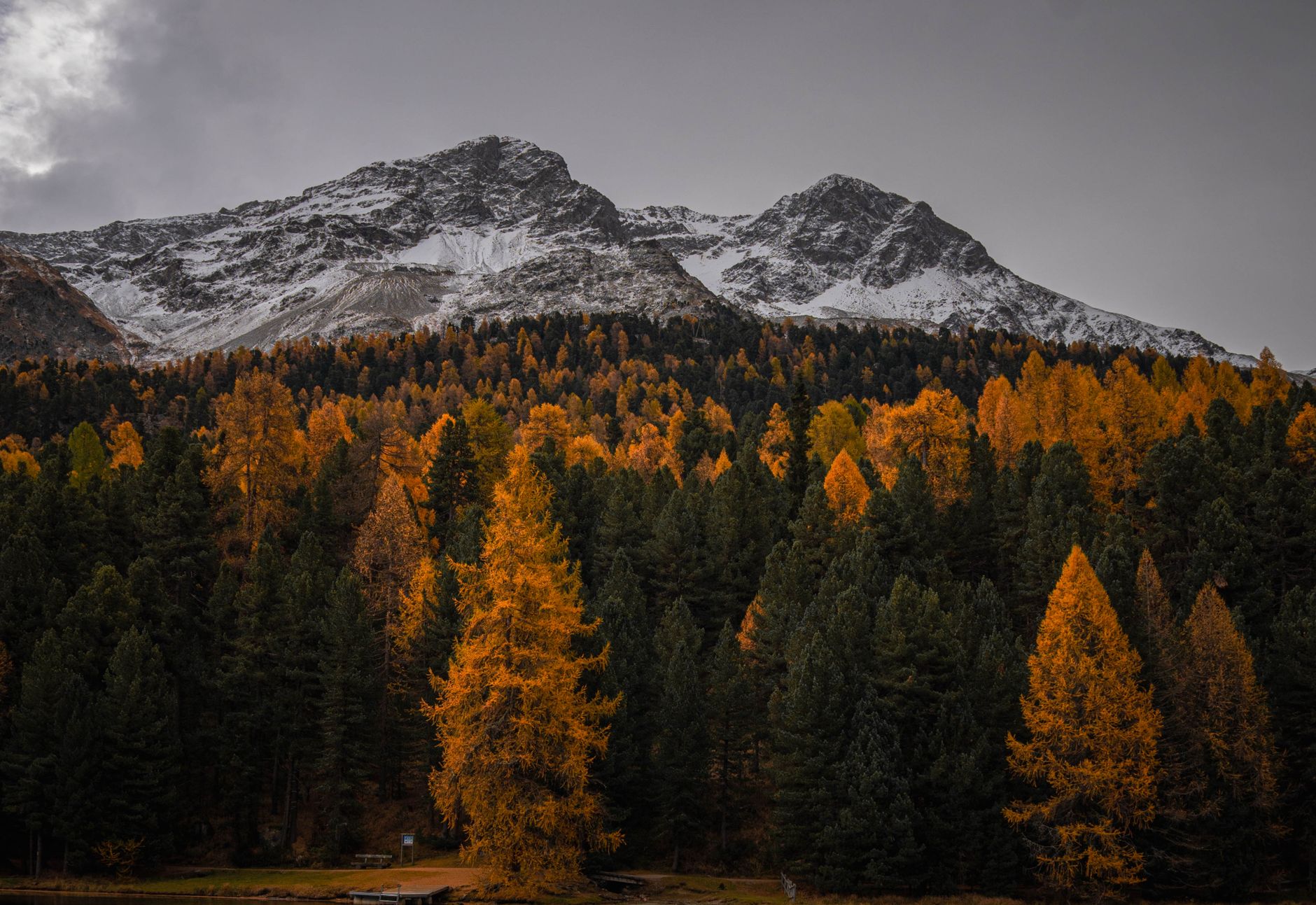
Table of Contents
When the first chill of autumn touches the Engadin valley, the larches do not simply turn yellow—they ignite into a luminous amber that reflects off the mirror-still surface of Lake Sils. The air smells intensely of pine resin, damp granite stone, and morning frost. There are no engine sounds here; only the cadence of boots meeting damp gravel and the distant chime of cowbells returning down valley pastures.
Sils Maria has long served as a sanctuary for thinkers in search of mental clarity. Friedrich Nietzsche spent seasons in this very valley, pacing the shoreline trails while conceptualizing some of his most enduring philosophies. Modern travel has a habit of converting such mythic settings into rushed photo-stops. Yet to experience the Engadin requires submitting to its geological time: waiting an extra hour for fog to lift above the Piz da la Margna, sipping black tea brewed with glacial runoff, and listening to the wind sweep through larch boughs.
"The mountain does not yield its peace to those who sprint across its ridges; it speaks only to those whose breath aligns with the slope."
Sgraffito Motifs on Ancient Walls
In villages such as Zuoz, Guarda, and Beverly, the vernacular architecture stands as a defense against winter harshness. Thick masonry walls are decorated with centuries-old sgraffito patterns: geometric sun-wheels, Latin proverbs, and heraldic flora carved directly into wet plaster. These residences were constructed not only to withstand meters of alpine snow, but to preserve quiet contemplation across generational lineages.
Small artisanal bakeries continue to bake walnut tarts according to 19th-century formulas, balancing mountain butter with localized blossom honey. Conversations here happen quietly over wooden communal tables, without rush or commercial bravado.
The Art of Unhurried Alpine Walking
Too often hikers treat trail markers as metrics of athletic achievement. In the Engadin, slow wandering implies pausing whenever an unexpected clearing opens toward the Val Fex. You watch the hawks circle granite thermals; you touch the rough bark of Swiss stone pines that have endured three hundred winters. This is restorative travel in its pure essence—where physical exertion serves as an anchor to sensory awareness.
Practical Sanctuary Guide
- Best Season: Mid-September through late October for golden larch displays and tranquil trails.
- Getting Around: The Rhaetian Railway offers one of the most scenic train connections on the continent.
- Sanctuary Base: Prefer historic family-owned pensions in Sils-Baselgia rather than larger resort hotels.
Plan Your Slow Journey to the Alps
Our editors can connect you with sustainable local lodgings and unmapped trail routes through the Upper Engadin.
Inquire with Editors